6
en
Issue number 08042020
Important safety instructions
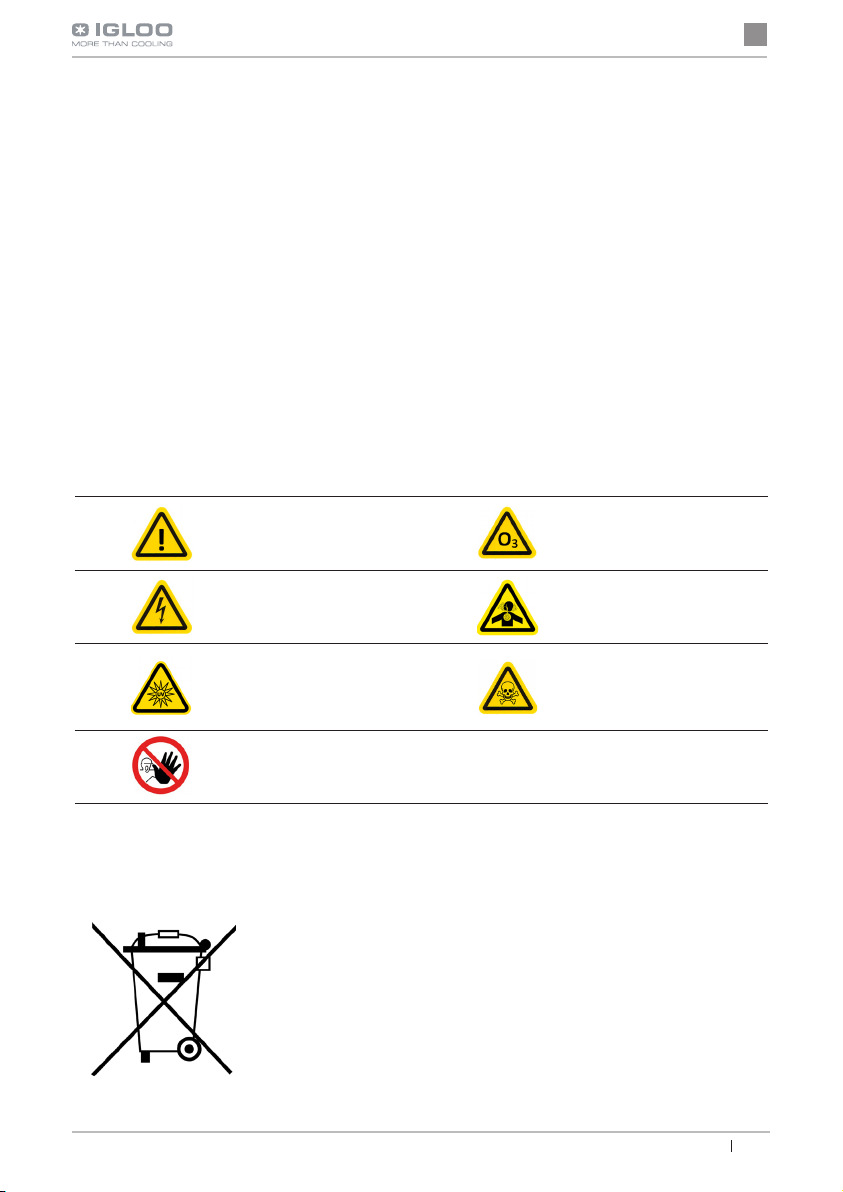
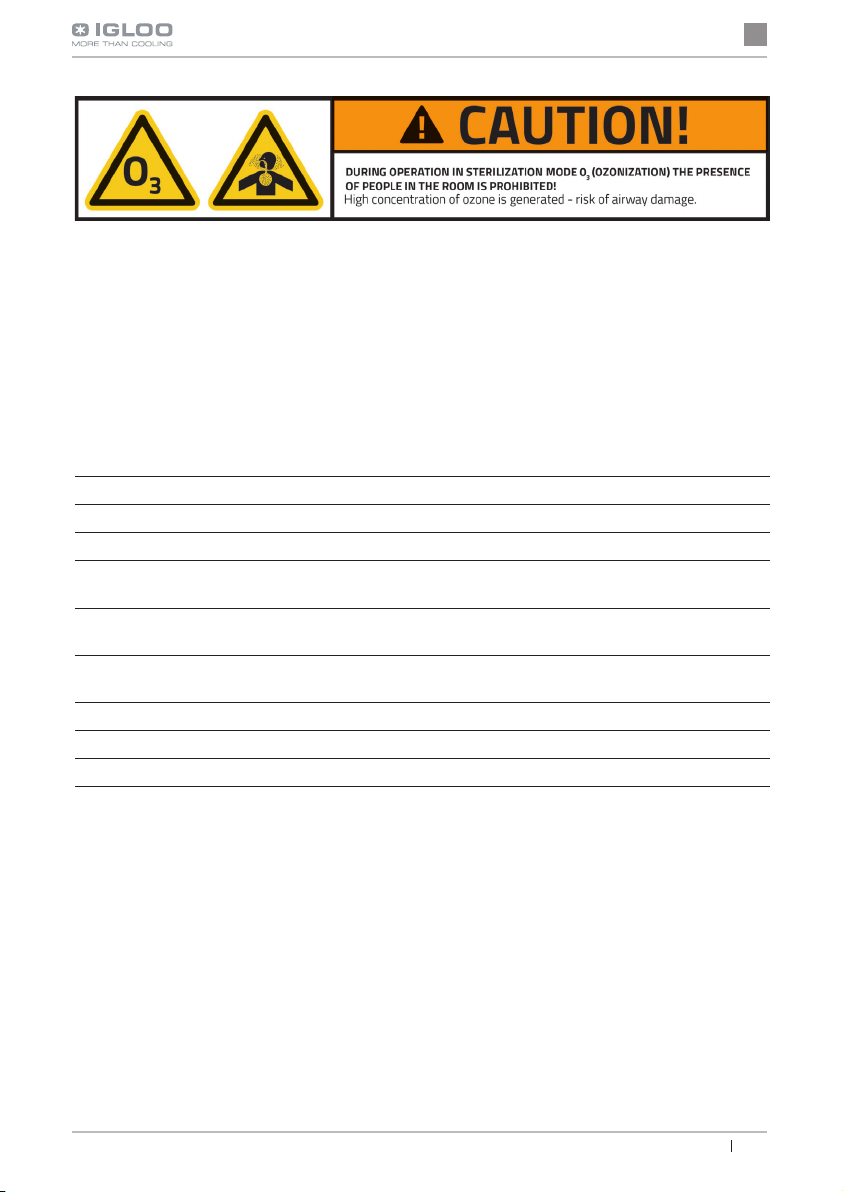
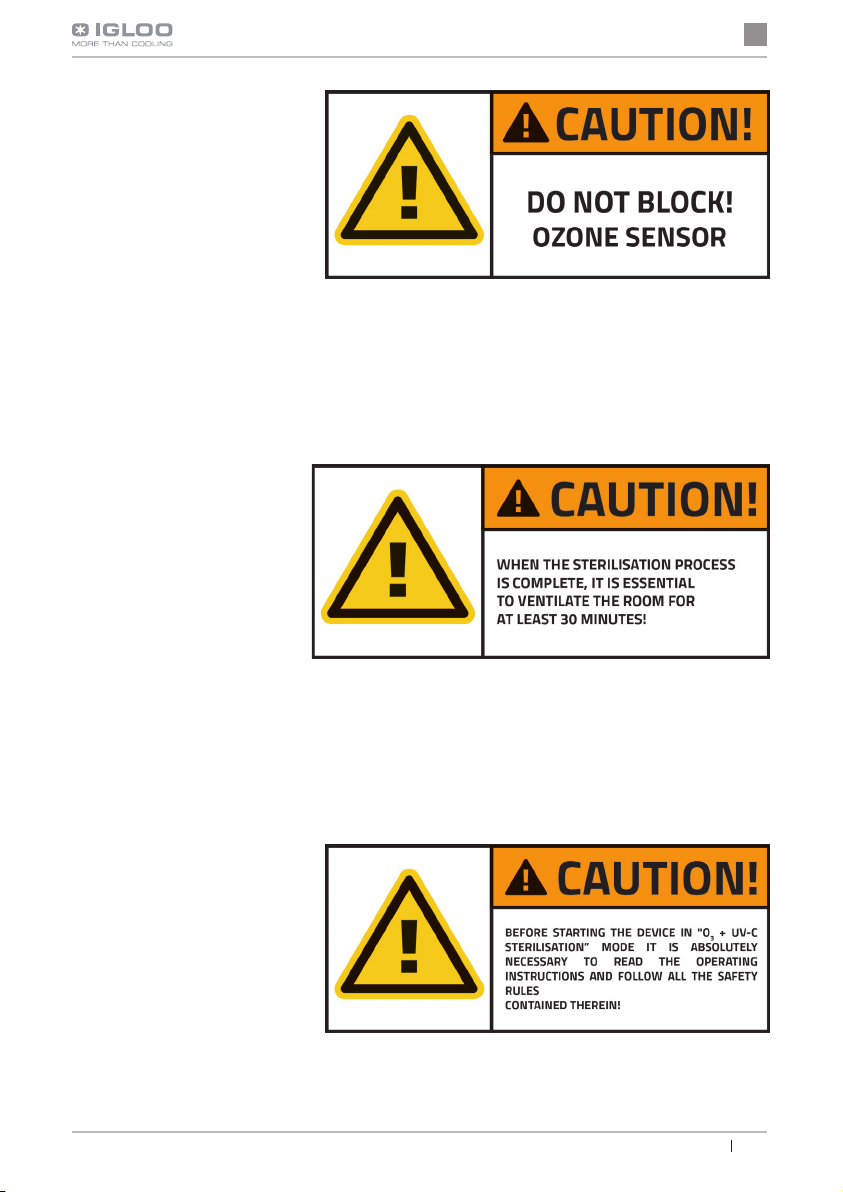
There are several warning stickers on the housing of the device, the contents of which are also present-
ed below. It is imperative that you comply with them! Failure to comply with the information contained
therein may lead to a risk to the health or life of the user or other persons, animals and living organisms,
and may lead to the failure of the device.
High voltage inside the device is dangerous to
human health. In case of electric shock with the
parameters as in the device, skin burns, muscle
spasms, loss of consciousness and, in extreme
cases, cardiac arrest can occur. Therefore, all
service work may only start after the unit has
been disconnected from the power supply and
may only be carried out by qualified and properly
trained personnel!
In the event of an electric shock, isolate the victim from the power source as soon as possible - turn off
the fuses and then unplug the plug from the electrical outlet. The second, but more risky way is to pull
the victim away from the power source with a wooden stick. Call an ambulance as soon as possible after
the victim is isolated from the power supply. If the victim is unconscious but breathing, circulation is
maintained and spinal injury can be ruled out, the spine should be placed in a lateral fixed position. If the
victim is not breathing, artificial respiration must be performed and, if necessary, a heart massage. If the
victim has symptoms of concussion (pale, cold skin, sweat, chills, accelerated heart rate), place them in
an anti-shock position - on their back, with their legs raised.
Fluorescent lamps inside the device emit UV-C
radiation, which can cause negative effects on
skin and eyes. The effects of radiation exposure
depend on the wavelength, the amount of radi-
ation absorbed and the type of tissue exposed.
The most common symptom of skin exposure to
this type of radiation is erythema (redness). The
degree of redness and its course depend on the
size of the radiation and the wavelength of the
radiation. A high dose of UV-C radiation can lead to skin burns, which are manifested by painful swellings
and blisters. Long-term exposure to radiation leads to unfavourable changes in the epidermis: it accel-
erates the skin aging process and causes pre-cancer and neoplastic changes. Repeated exposure of the
skin to radiation, particularly high intensity, can cause excessive keratinization, which is a contributor
to the formation of cancers such as basal and squamous cell carcinoma and melanoma. UV-C radiation
absorbed by the skin can cause inflammation of the cornea, conjunctivitis, damage to the retina and
cornea and can lead to photochemical cataracts. The most common, acute symptom of eye exposure
to UV-C radiation is inflammation of the cornea and conjunctiva. Corneal inflammation manifests itself
in photophobia, increased tearing, a feeling of a foreign body in the eye, eyelid spasm, and sometimes
visual impairment. The symptoms of inflammation appear after a period of concealment that lasts even
6 Issue number 08042020
less than 30 minutes and the symptoms of inflammation disappear after about 14 hours from exposure.
Radiation-induced conjunctivitis occurs after a latency period of 5 to 10 hours and is manifested by
redness, itching, burning and tearing. If a higher dose is used, the correct vision may be impaired. The
symptoms disappear after 10 hours to several days, depending on the exposure. For this reason, never
open the device while the UV lamps are running!