
Klingenburg AS2 Manual de usuario

AS2 Cleaning Device for
Cleaning Rotary Heat Exchangers
ENERGY RECOVERY
1. Cleaning Options
2. Cleaning Device
3. Cleaning Sensors
4. AS2 Cleaning Control System
5. Menu navigation
6. Troubleshooting
7. Technical Data
Page 2
Page 3
Page 6
Page 10
Page 16
Page 23
Page 25

2
1. Cleaning options
Self-cleaning effect
Under the usual conditions for the operation of ventilation systems and air conditioning systems, rotary heat
exchangers do not tend to become contaminated. This is due to the laminar airflow in the rotor mass and the
counter-current circuitry.
Air filtration before the rotor is only necessary for viscous, greasy and coarse contamination. As the self-clea-
ning effect occurs only when the rotor is rotating, idle rotors tend to become contaminated.
A cleaning cycle circuit offers a remedy here. The rotor mass is periodically rotated further in order to prevent
one-sided accumulation. This cleaning run cycle, also described as interval mode, is integrated in the rotor
control system (see control system description for the twist switch – latched controller).
Outside air
Extract air
Supply air
Exhaust air
Counterflow Circuit:

3
2. Cleaning device
If strongly adhesive contamination is present in the air, the installation of an automatic cleaning apparatus may
be sensible. Usually, blowing out with compressed air is sufficient.
Cleaning with high-pressure warm water is necessary only with tenacious viscous and greasy contamination.
Please note that the residual water is to be blown out of the rotor following cleaning.
For water purification, a compressed air nozzle is therefore always required.
Compressed air cleaning High-pressure warm water cleaning
Exhaust air
Air
Air
Water
Air Water Air
Exhaust air

4
The slide is moved by an AC motor, and the power transmission is through a toothed belt.
Contactless proximity switches send an alert when the slide reaches either end position. Another proximity
switch is installed in the rotor casing and records the rotor speed.
A slide travels on a track over the radius of the rotor. The cleaning nozzles
for compressed air and possibly for water, depending on requirements, are
installed here.
Pulse sensor (for rotor speed) is located in the rotor casing
Rotor circumference sensor*
Rotor centre sensor*
A
BC
C
C
B
B
2 543
1
A
A
* Sensors are installed on
the inside of the cleaning
track
A
(1) AS2 drive motor
(2) Nozzle slide
(3) Toothed belt
(4) Idler
(5) Clamping screw

5
Following each rotation of the rotor, the cleaning apparatus advances by the width of a nozzle stream. This
allows gap-free cleaning.
When the cleaning apparatus is switched off, the carriage is positioned on the periphery of the rotor. The
cleaning procedure can be started either by a built-in weekly time switch, by an external switch or by the Start
switch under the display.
Caution: Ensure that the heat exchanger wheel is released when starting cleaning and is turning for the whole
time the program is running. When the cleaning device is operating, the nozzle slide continuously travels to the
centre of the rotor. When the sensor reaches the centre, the air and possibly water cleaning begins.
A relay output for warm water and a compressed air valve are available. When the carriage reaches the
periphery of the rotor, the water valve relay falls and the rotor is dried with compressed air during the return
movement.
On reaching the centre sensor, the air relay switches off and the carriage travels to the starting position. During
the cleaning procedure, the rotor runs with variable speed under the control of the AS2 control system.
The external control signal (0 - 10 Volt) is not processed during the cleaning procedure, so this process should
be carried out during the idle times.

6
3. Cleaning Sensors
Manufacturer Klingenburg
Model MMG 120BDKX, PNP Switch
magnetic
IP code IP67
Power supply 10-30 V=
Contact Magnet
Sensing distance <=30 mm
Connect. wire colours blue / brown / black
Usage Rotors Sorption wheel,
Pulse sensor cleaning device Klingenburg Secatec
Connection to controller:
KR4/7
KR15 and Premium
KS 4/7/15
Clamp 4 = blue; Clamp 5 = brown; Clamp 6 = black
Clamp 6 = blue; Clamp 7 = brown; Clamp 8 = black
Clamp 4 = blue; Clamp 5 = brown; Clamp 6 = black
to cleaning device
AS2
+Ub = brown
Sensor Pulse Tkt = black
GND = blue

7
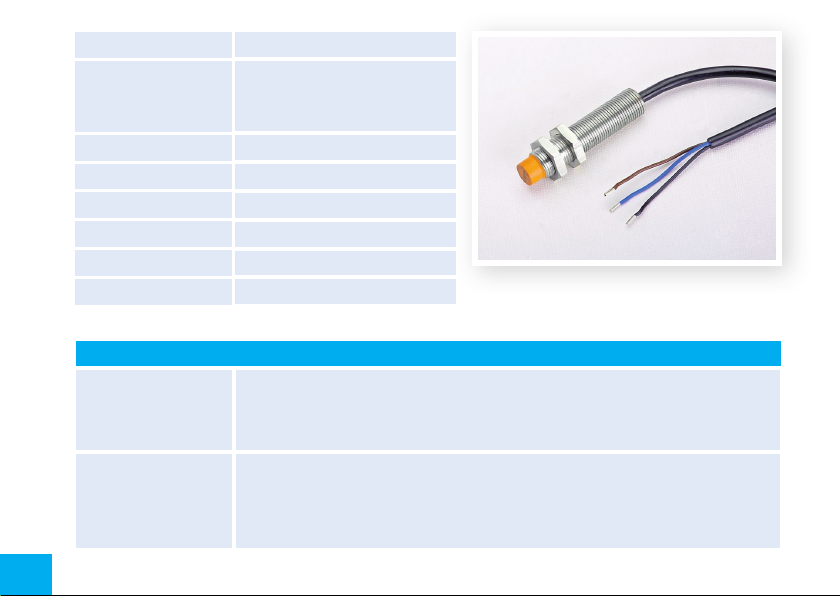
Manufacturer Steute
Model
EEX-RC-M 14W
Chanceover contact
Reed contact
IP code IP67 Atex
Power supply changeover contact up to 250V
AC/DC
Contact Magnet
Sensing distance <=7 mm
Connect. wire colours gr-yel / grey / brown / black
Usage Rotor, End position switch slide,
pulse sensor cleaning device
Steute
Connection to controller:
KR4/7
KR15, Premium
KS 4/7/15
Clamp 5 = brown; Clamp 6 = black
Clamp 7 = brown; Clamp 8 = black
Clamp 5 = brown; Clamp 6 = black
to cleaning device
AS2
+Ub = brown; Sensor centre Mit = black
Sensor circumference = black
Sensor pulse Tkt = black
8
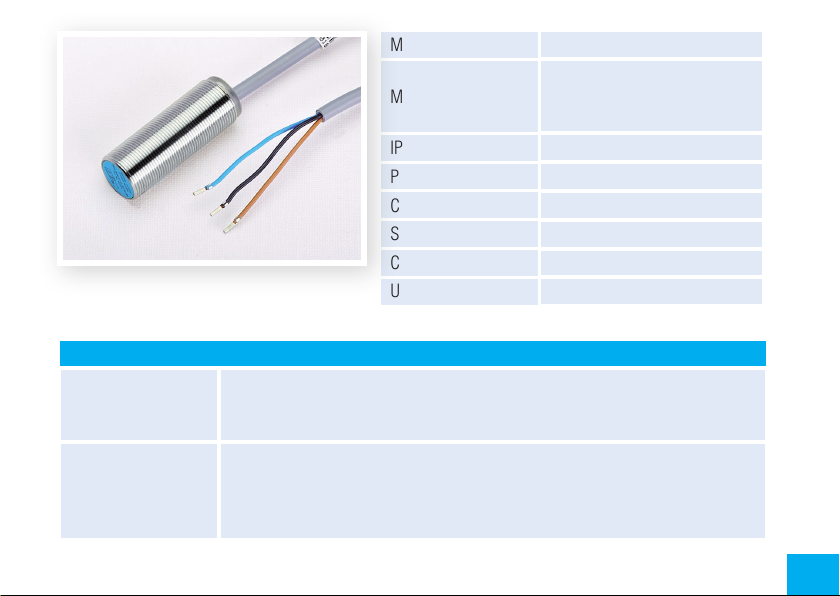
Manufacturer Schmersal
Model
IFL-N4-12-10P
PNP N/O
Inductively
IP code IP67
Power supply 10-30 Volt =
Contact Steel contact tabs
Sensing distance <=3 mm
Connect. wire colours blue / brown / black
Usage Cleaning device standard Schmersal
Connection to controller
KR4/7
KR15 and Premium
KS 4/7/15
clamp 4 = blue; clamp 5 = brown; clamp 6 = black
clamp 6 = blue; clamp 7 = brown; clamp 8 = black
clamp 4 = blue; clamp 5 = brown; clamp 6 = black
to cleaning device
AS2
+Ub = brown
Sensor centre Mit = black
Sensor circumference Umf = black
GND = blue
9
Manufacturer Pepperl & Fuchs
Model
NBB 8-18GM50-E2-3G-3D
PNP N/O
Inductively
IP code IP67Atex
Power supply 10-30 Volt=
Contact Steel contact tabs
Sensing distance <=7 mm
Connect. wire colours blue / brown / black
Usage ATEX cleaning decice, Rotors
Pepperl & Fuchs
Connection to controller
KR4/7
KR 15 and Premium
KS 4/7/15
clamp 4 = blue; clamp 5 = brown; clamp 6 = black
clamp 6 = blue clamp 7 = brown; clamp 8 = black
clamp 4 = blue; clamp 5 = brown; clamp 6 = black
to cleaning device
AS2
+Ub = brown
sensor centre Mit = black; sensor circumference Umf = black
sensor pulse Tkt = black
GND = blue

10
4. AS2 Cleaning Control System
Functional characteristics
Processor-controlled monitoring of the cleaning sequence
Coloured display
Detailed error messages
Menu navigation
Cleaning takes place from the inside to the outside
(the contaminated water runs towards the outside)
Tabla de contenidos


